The Best Automatic vs Manual Soap Dispenser (2026)
Prices and picks verified as of October 2026. Independent, reader-supported reviews.


Things to Know Before You Buy
- Automatic dispensers cost more to buy and run. Expect to pay roughly $15 to $26 plus the price of batteries or the hassle of recharging. Manual pumps start under $10 and never need power.
- Touchless wins on hygiene. You keep dirty or food-covered hands off the pump, which counts most in the kitchen and in homes with kids.
- Manual dispensers last longer. They have no sensor, motor, or battery to fail, so a decent pump keeps working for years.
- Sensor placement matters. A counter unit needs space to "see" your hand; a poorly placed automatic dispenser fires when you reach past it.
- Refilling and cleaning differ. You top off and rinse a manual pump in seconds; automatic units sometimes have narrow fill openings and pumps that clog with thick soap.
Stand at the sink with raw chicken on your hands and you learn why touchless soap dispensers exist. The pump on a manual dispenser is the one thing in the kitchen you touch right before you wash up, and an automatic model fixes that with a wave of the hand. The catch: it adds cost, batteries, and one more gadget that breaks.
One type does not beat the other outright. Automatic and manual soap dispensers each do different things well, and the right pick depends on where you put it and what annoys you most. We compare them on build quality, price, and day-to-day use, then lay out who should choose which.
Quick Answer
Go automatic if you want hands-free hygiene at a busy kitchen sink or in a household with kids, and you do not mind paying a bit more and keeping batteries on hand. Stick with a manual dispenser if you want something cheap, reliable, and free of any power source, especially for a guest bathroom or low-traffic sink where touchless convenience matters less.
What is Automatic?
An automatic soap dispenser uses an infrared sensor to detect your hand and pump out a measured dose of soap without anyone touching it. A small motor drives the pump, and the whole thing runs on either replaceable batteries (AA or AAA) or a built-in rechargeable cell you top up over USB. Most countertop models let you adjust how much soap comes out per wave, and many also handle foaming soap, lotion, or dish soap depending on the design.
You feel the appeal the moment your hands are dirty. You reach under the spout, soap appears, and you never wipe fingerprints or food off the dispenser. That suits kitchens, where you handle raw food all day, and bathrooms shared by several people. Touchless models range from compact rechargeable units that fit a crowded counter to wall-mounted designs built for heavier use.
You pay for that convenience. You are buying a small electronic device, so the sensor and motor can fail, the batteries need replacing or recharging, and the price runs higher than a basic pump. A misjudged sensor fires when you reach past it, wasting soap. None of these sink the deal, but they are the cost of going hands-free.
What is Manual Soap Dispenser?
A manual soap dispenser is the familiar pump bottle or wall-mounted unit you push with your hand to get soap. Inside sits a spring-loaded pump that draws liquid up from the reservoir each time you press it, no electronics anywhere. You buy them as countertop bottles, under-sink pump heads, and wall-mounted dispensers that screw or stick to the wall to free up the counter.
Manual dispensers trade flash for dependability. With nothing to power and no sensor to misread, a well-built pump works on every press, and a good one keeps going for years. It is also the cheapest option by a wide margin, with solid models under $10, and you refill it by unscrewing the top and pouring soap in. You can use almost any liquid soap without clogging a delicate motorized pump.
The downside is the one thing automatic models fix: you have to touch it. In a kitchen, you press the pump with hands that may be covered in raw food or grease, and the pump head collects whatever sits on your fingers. Wall-mounted versions take a bit of installation effort too. For most sinks you trade that touch for lower cost and bulletproof reliability.
Head-to-Head: Build Quality & Durability
Manual dispensers hold a clear edge here. A manual pump is a simple mechanical part: a spring, a tube, and a nozzle. Little goes wrong, and when something does, it is the pump head itself, which costs little to replace. A decent manual dispenser can outlast several automatic units, and it holds up whether it sits in a steamy bathroom or a hot kitchen.
Automatic dispensers carry more parts, and every extra part shortens their odds. The sensor, the small motor, the battery contacts, and the control board can each fail. Cheaper models develop an unresponsive sensor or a weak pump after a year or two of heavy use. Moisture does most of the damage; a unit that gets splashed often or sits in a humid shower area gives out early.
Build quality still varies a lot within both camps. A flimsy manual pump with a cracked plastic spring fails fast, while a well-sealed automatic unit from a careful brand runs for years. The rule holds: for the longest, most worry-free service life with zero maintenance, pick a solid manual dispenser. If you buy automatic, spend a little more for better seals and a quality sensor instead of grabbing the cheapest option on the shelf.
Head-to-Head: Price & Value
Manual dispensers win on upfront cost. Good wall-mounted and countertop pumps sell for around $10, and you can find basic ones for less. Automatic models run from about $15 for a compact rechargeable unit up to roughly $26 for a touchless wall-mounted or higher-capacity design. Battery-powered automatics also carry an ongoing cost in AA or AAA cells, while rechargeable ones cost you charging time instead.
The value question comes down to what you pay for. The extra $10 or so for an automatic dispenser buys hygiene and convenience, not better soap delivery. If a touchless pump saves you from smearing the dispenser with raw chicken every night, you may find that worth it. If your sink sees light use, the premium is harder to justify and a manual pump delivers the same soap for a fraction of the price.
Head-to-Head: Use Experience
Day to day, the automatic dispenser feels like a small luxury when you set it up well. You wave a hand, get soap, and walk away. You press nothing and scrub no soapy pump head. In a kitchen this helps, since you can lather up mid-task without contaminating the dispenser, and kids find the touchless action more fun, which can mean more handwashing.
The sensor and its placement decide whether you like the automatic dispenser. Put the unit too close to the faucet or a wall and it triggers when you reach past it, dribbling soap onto the counter. You also have to dial in the dose size: too little and you wave twice, too much and you waste soap. Every few weeks or months you swap batteries or recharge, the kind of small chore you forget until the dispenser goes dead.
A manual dispenser asks nothing of you beyond a press, and it never catches you off guard. The flip side is the touch itself, worst when your hands are dirtiest. At a bathroom sink where your hands are a bit grimy, that hardly registers; in a kitchen, it is the whole reason you switch. Neither experience is wrong; they suit different sinks.
When to Choose Automatic
Pick an automatic dispenser when hygiene and convenience are the priority. The kitchen makes the strongest case: handling raw meat, eggs, or greasy pans makes a touchless pump worth the cost, because you never transfer that mess to the dispenser. Households with young kids benefit too, since the touchless action encourages handwashing and keeps sticky little hands off the pump. If anyone in the home is immunocompromised or you care about cutting shared touch points, go automatic. Budget for batteries or commit to recharging, and give the unit room so the sensor reads cleanly. Pay a little more for a better-built model, since the bargain ones are the first to lose their sensor. Need help narrowing the field? Our budget picks cover both styles.
When to Choose Manual Soap Dispenser
Choose a manual dispenser when you want something cheap, reliable, and maintenance-free. Guest bathrooms, half-baths, and any low-traffic sink suit it well, since touchless buys you little hygiene there but the savings hold up. Manual also wins for spots where you do not want to deal with power: outdoor sinks, utility rooms, rentals, or a shower where a wall-mounted pump sits there and works. If you like thick soaps, specialty hand washes, or whatever sits on sale, a manual pump handles them all without clogging a motor. If you hate the idea of one more device with batteries, a good manual dispenser outlasts most automatic rivals for a fraction of the price.
Our Top Picks
After comparing both sides of the automatic vs. manual soap dispenser debate, these are the three picks we keep recommending — one for each main scenario.
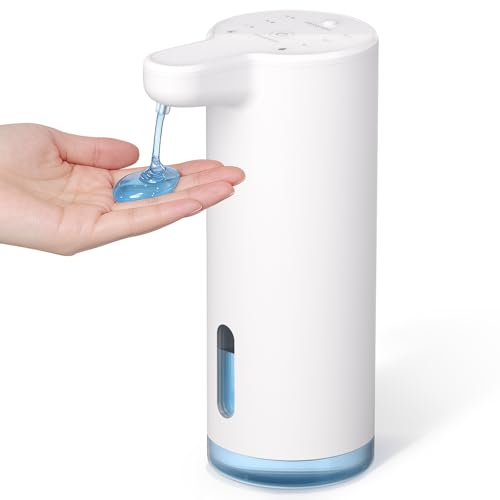
Editor’s Pick
Seawah Automatic Soap Dispenser Touchless(Upgrade Auto
Our top pick for soap dispenser buyers who want a no-compromise option: balanced build, fair price, and easy daily use.
For most kitchens and shared bathrooms, yes. Most battery-powered models run for several months on a set of AA or AAA cells under normal household use.Are automatic soap dispensers worth it?
Do automatic soap dispensers use a lot of batteries?
Frequently Asked Questions4.98 Check Price on Amazon
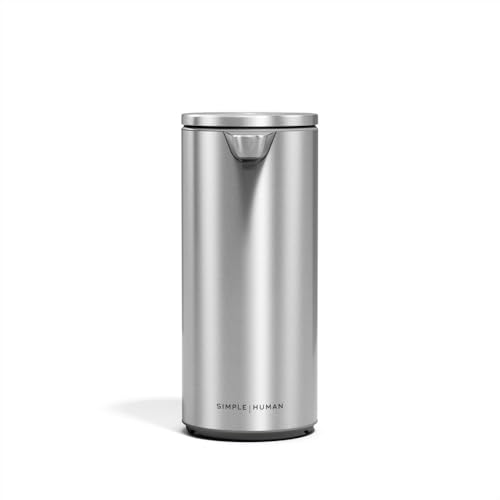
Best Value
simplehuman Liquid Sensor Pump 9 oz
A budget-friendly soap dispenser that punches above its price tag for the comparison criteria here.
$69.95
Check Price on Amazon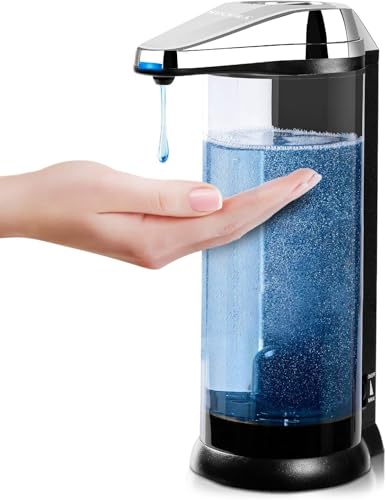
Premium Choice
Secura 17oz Automatic Liquid Soap Dispenser
Worth the upgrade when finish quality and long-term durability outweigh the higher price tag.
$26.99
Check Price on AmazonFrequently Asked Questions
Are automatic soap dispensers worth it?
For most kitchens and shared bathrooms, yes. The hands-free operation keeps soap and germs off the pump, cuts down on mess, and the convenience pays off in spots you touch with dirty or full hands. If you only need a dispenser for occasional use, a manual model does the same job for less money and never needs power.
Do automatic soap dispensers use a lot of batteries?
Most battery-powered models run for several months on a set of AA or AAA cells under normal household use. Rechargeable units skip disposable batteries and top up over USB, lasting a few weeks to a couple of months per charge depending on how often the dispenser fires.
Can you use any soap in an automatic dispenser?
Most touchless dispensers handle standard liquid hand soap, dish soap, and lotion. Thick or chunky formulas clog the pump, and foaming dispensers need soap diluted with water unless the unit is built for foam. Check the product's recommended viscosity before you fill it.
Which lasts longer, automatic or manual?
Manual dispensers last longer because they have no sensor, motor, or battery to wear out. A quality manual pump runs for years with no maintenance, while an automatic unit's electronics fail first, especially on cheaper models or in humid bathrooms. If you do buy automatic, spending a bit more on better seals and a quality sensor improves its odds.
Are automatic dispensers better for kids?
Often, yes. The touchless action makes handwashing more appealing to children, and it keeps sticky or messy little hands off the pump, which keeps the dispenser cleaner. Watch the dose setting, so a curious kid does not empty the reservoir by waving at it.
Final Verdict
No single winner exists here, only the right tool for the sink. An automatic dispenser suits busy kitchens, homes with kids, and anyone who values hands-free hygiene enough to handle batteries and a higher price. A manual dispenser suits guest baths, low-traffic sinks, and anyone who wants the cheapest, most reliable, maintenance-free option. Decide based on where it goes and how dirty your hands are when you reach for it. Get that right and the dispenser disappears into the routine, which is all you want from one.