Best How to Fix Soap Dispenser Pump (2026) | Best Soap Dispensers
Prices and picks verified as of October 2026. Independent, reader-supported reviews.


Things to Know Before You Buy
- Most pump failures are clogs or air-locks, not broken parts, so a warm-water flush fixes them in minutes.
- Foaming pumps need soap diluted to roughly one part soap to four parts water; undiluted soap is the leading cause of a jammed foaming pump.
- Letting a dispenser run completely dry pulls air into the pump and creates the air-lock that stops it from drawing soap.
- Warm white vinegar dissolves the hardened soap and hard-water scale that clog the internal mesh and valves.
- If a flush and re-prime fail, a new pump head is a cheaper and faster fix than replacing the whole dispenser.
Learning how to fix soap dispenser pump problems takes about fifteen minutes and rarely costs more than a splash of vinegar, because almost every dead pump traces back to one of three things: dried soap clogging the mechanism, an air pocket left after the bottle ran dry, or soap that is too thick for the pump to move. You press the top and get a weak dribble, or nothing at all. Before you toss the dispenser and buy a new one, work through the steps below in order, since the first few fixes solve most cases.
This guide walks you through diagnosing the failure, opening the pump, flushing the clog, clearing an air-lock, and reassembling everything so it primes again. The same process works for foaming pumps and standard liquid pumps, with one important difference noted in the steps. If you reach the final step and the pump still refuses to draw soap, the spring or seal inside has worn out, and a replacement pump head costs only a few dollars.
What You'll Need
- Supplies: warm water, white vinegar, and a refill of properly diluted hand soap
- Tools: a small bowl or cup, a toothpick or straightened paper clip, and a clean cloth
Step 1: Diagnose what is actually wrong
Start by figuring out which failure your soap dispenser pump has, because the fix is different for each. Press the pump head slowly several times and pay attention to what happens. A pump that feels stiff and gives a thin, sputtering stream usually has dried soap or scale clogging the works. A pump that moves freely with no resistance and pushes only air has lost its prime, which means an air-lock. A pump that has gone completely soft or stays stuck down has a worn spring or seal.
Check the soap itself too. Pull the bottle out and look at the consistency. If you are working on a foaming dispenser and the bottle holds thick, undiluted soap, you have found the problem before touching a tool. Thick soap cannot pass through the fine mesh a foaming pump uses, so it chokes the mechanism within a few presses.
Step 2: Empty the bottle and remove the pump
Unscrew the pump head from the bottle and lift it out, holding it over the sink since soap will drip from the dip tube. Pour the old soap out of the bottle. If the soap is old, separated, or thick, discard it rather than reuse it, because degraded soap is what clogged the soap dispenser pump in the first place.
Rinse the empty bottle with warm water and set it aside. Look at the long plastic dip tube that hangs from the pump and check it for cracks or a split at the bottom, which lets the pump suck air instead of soap. Wipe the threads and the outside of the pump with a cloth so nothing gummy interferes when you reassemble.
Step 3: Flush the pump with warm water and vinegar
Hold the pump head over a small bowl and submerge the dip tube in warm, not boiling, water. Press the pump twenty to thirty times to draw water up through the tube and out the nozzle. You will often see cloudy soap residue flush out on the first few strokes. Keep going until the water runs clear and the pump strokes feel smoother.
If plain water does not clear it, mix equal parts warm water and white vinegar in the bowl and repeat the pumping. Vinegar dissolves the hardened soap and the mineral scale that plain water leaves behind, and it is the single most effective trick for reviving a clogged soap dispenser pump. For a stubborn blockage, let the dip tube and nozzle sit submerged in the vinegar solution for ten minutes before you pump again.
If the nozzle opening itself looks blocked, clear it gently with a toothpick or a straightened paper clip, then flush once more with clean warm water to rinse the vinegar out.
Step 4: Refill and re-prime to clear the air-lock
Refill the clean bottle with soap at the right consistency. A standard liquid pump takes regular hand soap, but a foaming pump needs soap diluted to roughly one part soap to four or five parts water. Getting this ratio right is what fixes most foaming soap dispenser pump problems, since the pump is built to move thin, watery soap and nothing thicker.
Screw the pump back onto the bottle so the dip tube reaches near the bottom. Now re-prime it: press the pump head firmly and repeatedly, often eight to fifteen times, until soap climbs the tube and the first proper dose comes out. Those first dry strokes push the trapped air out of the chamber, which is what cures an air-lock. Do not give up after three or four presses, because priming a dry pump takes longer than it feels like it should.
Step 5: Reassemble, test, and replace the head if needed
Tighten the pump collar snugly by hand so air cannot leak in around the threads, but stop short of overtightening, which can crack a plastic collar or a glass neck. Wipe down the outside, then run five or six test pumps. A healthy soap dispenser pump should now deliver a full, even dose with a firm, springy action.
If the pump still pushes only air or stays limp after a thorough flush and a patient re-prime, the internal spring or one-way valve has worn out, and no amount of cleaning will bring it back. This is the normal end-of-life failure for these mechanisms. Rather than replace the whole dispenser, buy a standalone replacement pump head; they sell in multipacks for a few dollars and thread onto most standard bottles. Match the pump type to your soap, a foaming head for foaming soap and a liquid head for liquid, and the dispenser works again for a couple of dollars.
Common Mistakes to Avoid
The mistake that sends the most pumps to the trash is using undiluted soap in a foaming dispenser. A foaming head whips thin soap with air through a fine screen, and thick soap simply cannot pass, so it clogs within days. If you take one habit away from this guide, dilute your soap before you refill a foaming soap dispenser pump.
A second common error is giving up on the re-prime too soon. You press the head three times, see nothing, and assume the pump is dead. Priming a dry pump can take a dozen firm strokes, and quitting early leaves the air-lock in place. Be patient before you write the pump off.
Using hot or boiling water to flush the pump is another avoidable misstep. Heat warps the thin plastic of the dip tube and valves, and a warped tube draws air instead of soap. Warm tap water does the job without the damage.
Overtightening the collar when you reassemble cracks plastic threads and stresses glass necks, so hand-snug is far enough. And do not let the bottle run bone dry between refills, because each time the dispenser empties it pulls air into the pump and forces you to re-prime, which is the very air-lock problem you just spent fifteen minutes fixing.
Our Top Picks
Sometimes a pump is worn out for good, and a fresh dispenser is the cleaner fix. If you would rather replace the whole unit than nurse an old pump, these three are the ones we recommend across different budgets and styles. We chose each for reliable pump action, since a dispenser that resists clogging is the best way to avoid this repair in the first place.
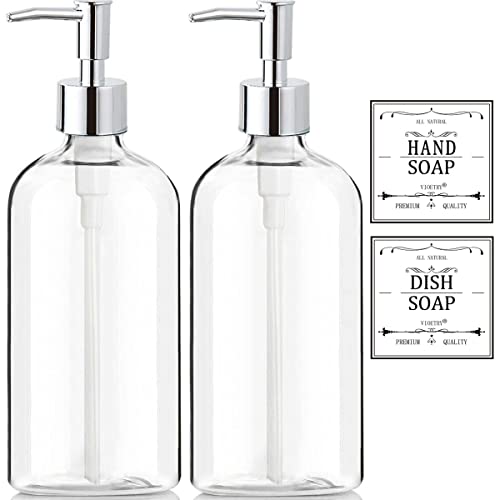
Editor’s Pick
Clear Soap Dispenser with Rust
A clear, no-frills dispenser with a smooth pump that primes easily and shows you exactly when a refill is due. The see-through body makes it simple to spot separated or thickening soap before it clogs the pump.
$8.96
Check Price on Amazon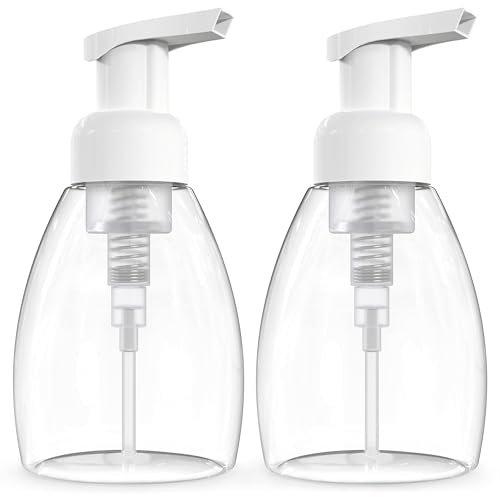
Best Value
BRIGHTFROM Foaming Soap Dispenser Pump
A reliable foaming pump at the lowest price here, a good choice if your last dispenser died from thick soap. It stretches a refill further by aerating diluted soap, and the pump action stays consistent through daily use.
$8.04
Check Price on Amazon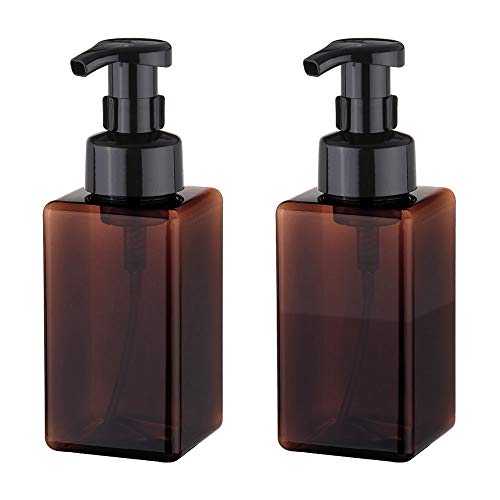
Premium Choice
UUJOLY Foaming Soap Dispenser 450ml
A larger 450ml foaming dispenser that needs refilling less often, with a sturdier pump head than most budget units. The bigger reservoir suits a busy family bathroom or a kitchen sink where a small bottle empties too fast.
$8.99
Check Price on AmazonWhy has my soap dispenser pump stopped working?
Three causes account for almost every dead pump: dried soap clogging the internal mesh and valves, an air-lock from letting the bottle run dry, or soap that is too thick for the pump to move.
How do I unclog a soap dispenser pump?
Unscrew the pump, hold the dip tube in a bowl of warm water, and press the head twenty to thirty times to flush soap residue out of the nozzle.
Frequently Asked Questions
Why has my soap dispenser pump stopped working?
Three causes account for almost every dead pump: dried soap clogging the internal mesh and valves, an air-lock from letting the bottle run dry, or soap that is too thick for the pump to move. Start with a warm-water flush to clear a clog, then refill and pump a dozen times to push out trapped air. If neither works after a thorough try, the pump's spring or seal has worn out and the head needs replacing.
How do I unclog a soap dispenser pump?
Unscrew the pump, hold the dip tube in a bowl of warm water, and press the head twenty to thirty times to flush soap residue out of the nozzle. If water alone does not clear it, switch to a half-and-half mix of warm water and white vinegar and repeat, letting the tube soak for ten minutes for a stubborn blockage. Clear the nozzle opening with a toothpick if it looks blocked, then rinse with clean water.
Why does my pump only push out air?
That is an air-lock, which happens when the bottle runs empty and air fills the pump chamber. Refill the bottle, screw the pump back on, and press the head firmly eight to fifteen times until soap climbs the tube and a full dose appears. The dry strokes are pushing the air out. If it still draws only air after twenty patient presses, check the dip tube for a crack, which lets the pump suck air instead of soap.
Can a foaming soap dispenser pump be fixed, or do I need a new one?
Most foaming pumps can be fixed, and the usual problem is not the pump at all but the soap. Foaming heads only work with soap diluted to about one part soap to four or five parts water, and undiluted soap clogs the mesh fast. Empty the bottle, flush the pump with warm water, refill with properly diluted soap, and re-prime. If the pump is mechanically worn, a replacement foaming head costs only a few dollars.
How do I stop my pump from clogging again?
Refill before the bottle runs completely dry to avoid air-locks, and dilute soap properly if you use a foaming dispenser. Once a month, run warm water through the pump to flush residue before it hardens, and add a vinegar rinse if you have hard water that leaves mineral scale. Avoid thick, bead-filled, or heavily moisturizing soaps, since solids and rich formulas are what block the mechanism.
Verdict
Knowing how to fix soap dispenser pump trouble saves you from tossing a perfectly good dispenser over a problem you can solve in fifteen minutes. The pattern is almost always the same: flush the clog with warm water and vinegar, refill with soap at the right consistency, and re-prime patiently to clear any air-lock. Foaming pumps deserve extra attention to dilution, since thick soap is the biggest reason a foaming head jams. Work the five steps in order and you will revive most failed pumps without spending a cent. When a flush and a thorough re-prime still leave you with a limp or air-only pump, the mechanism has worn out, and a few-dollar replacement head beats buying a whole new unit. If you would rather start fresh, the clear X Lent dispenser is the easiest of our picks to live with, because its see-through body lets you catch thickening soap before it ever clogs the pump again.